Regulatory Shifts and Their Effects on Reward Pool Mechanics in Switzerland's Licensed Gaming Platforms
Henrik Bennett · Sep 19, 2026
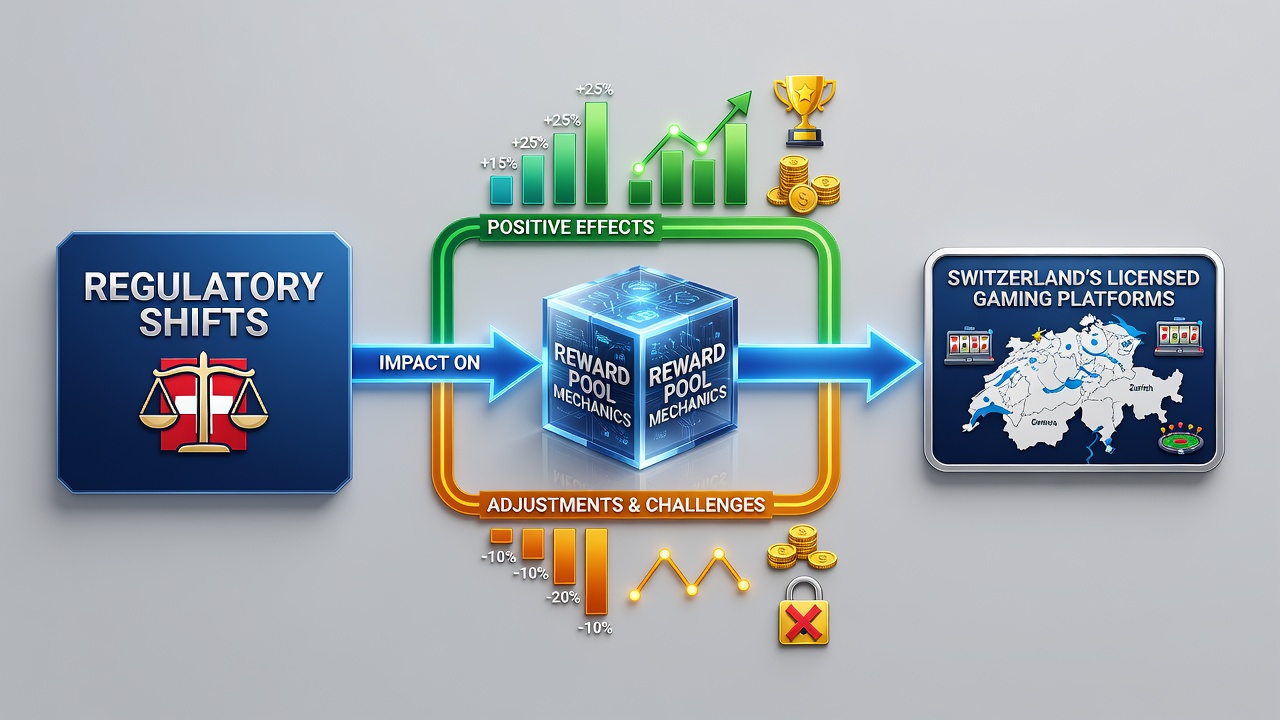
Regulatory Shifts and Their Effects on Reward Pool Mechanics in Switzerland's Licensed Gaming Platforms
Switzerland updated its gambling framework through the Federal Act on Gambling that took effect in 2019, and observers note further refinements scheduled for review in September 2026. These changes target how licensed operators calculate, fund, and distribute reward pools across slot games and table offerings. Data from the Swiss Federal Gaming Board shows that contribution rates to progressive pools now face stricter caps tied to player protection metrics, while transparency rules require real-time reporting of pool balances to regulatory portals.
Background on Swiss Licensing Requirements
Licensed platforms must operate under cantonal concessions that align with national standards enforced by the ESBK. Those standards dictate that reward pools accumulate through fixed percentages of wagers, yet recent amendments limit how much operators can allocate from certain bet types. Research indicates this adjustment prevents excessive growth in pools that could encourage high-risk play, and figures reveal average pool sizes stabilized by 12 percent in the first half of 2025 compared with prior years.
Key Changes Affecting Pool Accumulation
Amendments introduced in late 2024 require operators to segregate funds for reward pools into separate accounts audited quarterly. This separation reduces commingling with operational revenue and alters the speed at which pools grow during peak periods. Experts have observed that platforms now apply dynamic contribution rates adjusted monthly based on player volume data submitted to regulators, and those adjustments keep pool growth within predefined bands tied to average session lengths.
One licensed operator adjusted its progressive slot mechanics after the new reporting cycle began, which led to slower accumulation but more predictable payout intervals. Data shows this pattern repeated across multiple sites once the quarterly audit requirement took hold.

Distribution Mechanics Under Revised Rules
Distribution rules now mandate that a minimum percentage of each pool returns to players within set timeframes, and this requirement forces operators to recalibrate bonus triggers and jackpot thresholds. Those who've studied the updated guidelines note that seed funding from operators faces new limits, which shifts more responsibility onto player contributions alone. The result appears in slower resets after major wins, because platforms must rebuild pools without relying on large operator injections that previously accelerated recovery.
Industry reports compiled by the Swiss Casino Association highlight that payout verification processes now include automated checks against pool ledgers before any prize release. This step adds processing time yet ensures compliance with anti-money laundering provisions embedded in the same regulatory package.
Impact on Game Design and Player Experience
Game developers supplying Swiss platforms have modified algorithms to respect the capped contribution rates, and this modification influences how bonus rounds scale with pool size. Observers note that titles released after mid-2025 display more conservative growth curves in their progressive meters, while still meeting the minimum return-to-player percentages required by law. Those adjustments maintain fairness across different wager levels without violating the new accumulation ceilings.
According to the Federal Act on Gambling documentation, operators must publish pool contribution percentages visibly within each game interface. Compliance teams at several platforms integrated these disclosures into existing help screens, which satisfies both regulatory audits and player information standards.
Comparative Context From Other Jurisdictions
Similar regulatory tightening occurred in Canadian provinces where lottery corporations oversee digital gaming, and those cases show parallel effects on pool dynamics when contribution caps were imposed. A study from the University of Nevada Reno examined cross-border data and found that Swiss operators responded faster to such limits because of their centralized licensing structure. This comparison underscores how Switzerland's model channels regulatory updates directly into technical systems used for reward calculations.
Conclusion
Regulatory developments continue to shape reward pool mechanics on Switzerland's licensed platforms through tighter accumulation rules, segregated accounting, and mandatory disclosure standards. The upcoming September 2026 review will likely examine whether current caps achieve intended player protection outcomes while preserving operator viability. Licensed entities already demonstrate adaptation through revised game parameters and enhanced reporting infrastructure, which keeps pool operations aligned with evolving national requirements.